Older homes have a charm and character that modern construction often lacks. From intricate woodwork to high ceilings and unique architectural details, these homes are treasured for their historic value and aesthetic appeal. However, older homes also come with their own set of challenges, particularly when it comes to heating and cooling. Unlike new homes, older properties often have outdated systems, inadequate insulation, and structural designs that were not intended for modern climate control. Addressing these challenges requires a thoughtful TAP Heating and Cooling approach to ensure comfort, energy efficiency, and safety.
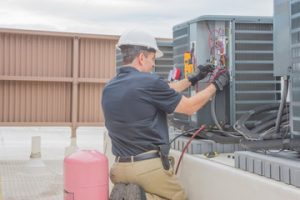
One of the first things to consider in older homes is the existing heating system. Many older properties still rely on legacy systems such as boilers, radiators, or ducted furnaces that were installed decades ago. While these systems can be effective, they often operate less efficiently than modern equipment. Over time, components wear out, insulation around pipes may deteriorate, and energy consumption can increase dramatically. Homeowners who want to maintain the charm of an older home while improving comfort and efficiency should consider upgrading to modern heating solutions. For example, high-efficiency furnaces or boilers can reduce energy consumption while providing consistent warmth throughout the home.
Cooling older homes presents a separate set of challenges. Many older properties were not designed with air conditioning in mind, which can make retrofitting a modern cooling system complicated. High ceilings, uneven floor plans, and limited space for ductwork can all hinder airflow and reduce the effectiveness of traditional air conditioning systems. In some cases, installing a full central air system may not be feasible or cost-effective. Instead, alternatives such as ductless mini-split systems or high-velocity small-duct systems can offer efficient cooling without extensive renovations. These systems are often easier to integrate into older homes while preserving original architectural features.
Insulation and ventilation are critical factors in heating and cooling older homes. Unlike modern constructions, older homes may have minimal insulation in walls, attics, or basements, which can lead to significant heat loss in winter and heat gain in summer. Updating insulation can dramatically improve comfort and reduce energy costs. Additionally, older homes often have drafty windows, gaps around doors, and other areas where conditioned air escapes. Addressing these issues with weatherstripping, caulking, and energy-efficient window solutions can make a noticeable difference. Proper ventilation is also essential, particularly in homes with high humidity or limited airflow. A well-ventilated home allows heating and cooling systems to operate more efficiently and reduces the risk of mold or mildew growth.
One of the most important considerations for older homes is balancing energy efficiency with the preservation of historical features. While it may be tempting to replace every system and seal every draft, drastic renovations can compromise the home’s original charm. Homeowners should approach heating and cooling improvements thoughtfully, seeking solutions that enhance comfort without altering architectural details. For instance, adding insulation to an attic or basement, upgrading to a high-efficiency boiler, or installing discreet ductless systems can improve climate control while maintaining the integrity of the home’s design.
Another factor that often goes overlooked is the electrical system in older homes. Modern heating and cooling equipment typically requires updated electrical connections and circuit capacity. Before installing a new system, it is important to evaluate the home’s electrical panel, wiring, and overall capacity. In some cases, upgrades may be necessary to safely accommodate the demands of modern HVAC systems. Working with a professional ensures that the heating and cooling upgrades are not only effective but also safe and compliant with current electrical codes.
Homeowners should also consider regular maintenance and inspections as a key part of managing heating and cooling in older homes. Legacy systems, while charming and sometimes functional, often require more frequent attention to remain reliable. Regular cleaning, filter replacement, and inspection of ducts, pipes, and vents can prevent minor issues from becoming major repairs. For modern systems installed in older homes, scheduled maintenance ensures that equipment runs efficiently, extends its lifespan, and keeps energy costs under control. In many cases, an annual professional inspection is recommended to catch potential problems early and maintain optimal performance.
When selecting a heating or cooling system for an older home, it is beneficial to think about zoning. Older homes often have complex floor plans, multiple levels, or rooms that are not evenly heated or cooled by a single system. Zoning allows homeowners to control temperature in different areas of the home independently, improving comfort and reducing energy waste. For example, bedrooms and living spaces may have separate controls, allowing for tailored heating and cooling schedules. This approach is especially useful in homes with high ceilings or long hallways, where standard systems may struggle to maintain consistent temperatures.
In addition to system selection, energy efficiency should remain a priority in older homes. While the charm of an older property may suggest a trade-off between comfort and efficiency, modern HVAC technologies can help bridge this gap. High-efficiency boilers, furnaces, heat pumps, and air conditioning units consume less energy while providing consistent performance. Coupled with smart thermostats and programmable controls, these systems allow homeowners to optimize energy use without sacrificing comfort. Simple adjustments, such as lowering temperatures during the night or using a programmable schedule for cooling, can result in noticeable savings on utility bills.
Air quality is another critical consideration in older homes. Dust, allergens, and even mold can accumulate more easily due to older construction materials and inadequate ventilation. Heating and cooling systems, when properly maintained, can help improve indoor air quality by filtering out pollutants and circulating fresh air. Homeowners should consider using high-quality air filters, installing UV light systems in ducts, or adding whole-home air purification systems. These measures are particularly important for families with children, elderly residents, or individuals with respiratory sensitivities. A clean, well-maintained system not only provides comfort but also promotes healthier living conditions.
For homeowners facing budget constraints, there are incremental ways to improve heating and cooling in older homes. Even without replacing major systems, measures such as adding insulation, sealing leaks, installing energy-efficient windows, or using ceiling fans strategically can enhance comfort significantly. These upgrades often provide a high return on investment, reducing energy bills while improving the home’s livability. Over time, homeowners may combine these smaller improvements with system upgrades to achieve a fully modernized climate control setup without compromising the character of the home.
Technology integration is becoming increasingly common in heating and cooling systems for older homes. Smart thermostats, for example, allow precise temperature control, remote operation, and energy monitoring. These devices can work with both modern and legacy systems, providing homeowners with greater flexibility and efficiency. In some cases, integrating technology can help older homes achieve comfort levels comparable to modern construction while minimizing energy use. Additionally, smart sensors can detect temperature variations, humidity levels, or airflow issues, alerting homeowners to potential problems before they escalate.
In conclusion, heating and cooling older homes requires a thoughtful balance between comfort, efficiency, safety, and preservation of architectural character. Annual inspections, regular maintenance, and strategic upgrades are essential for maintaining reliable and efficient climate control. Whether installing high-efficiency furnaces, ductless systems, or heat pumps, homeowners should prioritize energy efficiency, proper ventilation, and air quality. Addressing insulation, drafts, and electrical capacity ensures that both legacy and modern systems perform optimally. By taking a comprehensive approach, older homes can provide the same level of comfort and convenience as modern construction while retaining the charm and character that make them unique.
Key Takeaways:
- Schedule regular inspections and maintenance for both legacy and modern systems to ensure reliability and efficiency.
- Consider energy-efficient heating and cooling upgrades, such as high-efficiency boilers, ductless systems, or heat pumps, without compromising historical features.
- Address insulation, ventilation, and draft issues to improve comfort and reduce energy costs.
- Use zoning, programmable thermostats, and smart technology to optimize climate control in complex floor plans.
- Prioritize indoor air quality with high-quality filters, duct cleaning, and air purification systems.
With careful planning, maintenance, and strategic upgrades, older homes can enjoy modern comfort and energy efficiency while preserving the unique qualities that make them special. Proper heating and cooling solutions ensure that these homes remain both beautiful and livable for generations to come.